

Lip and Tongue Tie – San Antonio, TX
Improving Oral Function Safely and Effectively

Do you or your child have trouble eating, breathing, or speaking? A lip or tongue tie in San Antonio could be the problem. Most commonly seen in babies, this birth defect can inhibit their ability to nurse or bottle-feed, resulting in poor weight gain, acid reflux, and even chronic fatigue for the mother due to interrupted sleep and prolonged feedings. Children, teens, and adults can also suffer from sleep apnea, speech impediments, low self-esteem, and digestive issues as a result of an untreated lip or tongue tie. Fortunately, Dr. Lorenzana can easily fix this problem using a soft tissue laser. In a matter of minutes, you or your child can experience improved oral function that allows for a better quality of life. Contact our office to schedule an appointment today.
Why Choose Lorenzana Periodontics and Dental Implants for Lip and Tongue Tie Treatment?
- Lorenzana is board-certified with more than 20 years of experience
- The soft tissue laser allows for a quick and easy procedure
- Patients of all ages can be treated with a safe and effective frenectomy
What Is a Lip/Tongue Tie?
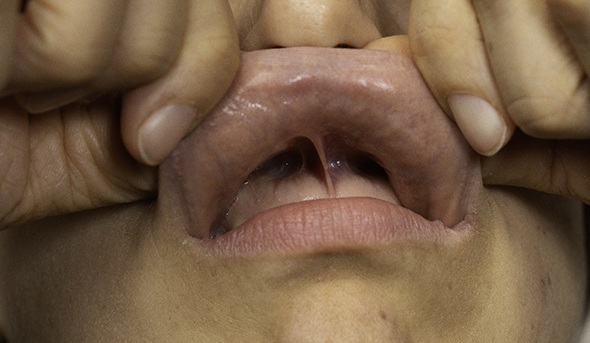
Underneath the tongue and behind the upper lip is a band of tissue referred to as a frenulum. During fetal development, a process known as apoptosis commonly occurs, allowing these tissues to separate and allow the tongue and lip free range of motion. However, if apoptosis does not occur, it can cause the tissues to become thick, short, and restricted, effectively hindering oral function, making it difficult to eat, speak, or breathe.
What Are Common Signs of a Lip or Tongue Tie?

Depending on an individual’s age, there are different signs that can develop as a result of a lip or tongue tie. For infants and nursing mothers, some of the most common include:
- A poor latch
- Acid reflux or colic symptoms
- Poor weight gain
- Inability to hold a pacifier or bottle feed
- Falling asleep while attempting to latch
- Swollen nipples
- Mastitis or blocked ducts
- Chronic fatigue due to interrupted sleep and prolonged feedings
For children and adults, signs of a lip or tongue tie may be:
- Difficulty swallowing
- Poor oral hygiene
- A speech impediment
- Low self-esteem
- Increased risk for periodontal disease, tooth decay, or infection
- Sleep apnea
What is the Procedure for a Lip or Tongue Tie?

No matter if it is you or your child who needs treatment for a lip or tongue tie, Dr. Lorenzana can recommend a frenectomy in San Antonio. This popular procedure is known to be safe and effective at releasing or removing the frenulum, allowing for the tongue and lip to have a full range of motion.
Although the procedure is typically performed more often on infants, frenectomies can be recommended for individuals of all ages. Taking only minutes to complete, Dr. Lorenzana will apply a topical anesthetic to numb the area and ensure you or your child feel no pain throughout the procedure. Using a soft tissue laser, he will quickly release or remove the restricted tissue. By choosing to use this type of fast and effective dental technology, the laser not only minimizes bleeding and swelling, but it also reduces the probability of infection and ensures a calmer, more comfortable experience for you or your child. Also, the laser’s exceptional precision allows for Dr. Lorenzana to focus solely on the frenulum without touching nearby, healthy tissue.
Lip and Tongue Tie FAQs
Are you or your child preparing for a frenectomy? Naturally, you or your little one may feel apprehensive or scared about the upcoming procedure; however, the team at Lorenzana Periodontics and Dental Implants are here to calm your nerves and offer transparency and honesty when it comes to providing the details surrounding this type of procedure. Because many of our patients have asked questions about frenectomies in the past, we decided to compile some of the most common ones for you to review below. Should you not see your question listed, please do not hesitate to contact our office and schedule an appointment. We will be happy to go over any additional question and concerns you might have about you or your child’s lip or tongue tie treatment.
Why is a frenectomy necessary for a lip or tongue tie?
Although some individuals choose never to treat their lip or tongue tie, the problems that can occur can be difficult to manage. If you have a baby with a lip or tongue tie, they may experience difficulty latching or feeding from a bottle. As a result, they may not gain weight like they should and have problems with their growth and development.
If you are an adult living with a lip or tongue tie, you may have difficulty eating, sleeping, and breathing. Sleep apnea is often tied to lip ties because of the inability of being able to close the mouth while sleeping. Also, a speech impediment can develop and cause feelings of embarrassment. Not to mention the aesthetic problems that can come with having a major gap between the upper front two teeth.
A frenectomy can help to mitigate all these problems. While this is not to say that you won’t eventually develop sleep apnea even if you have a frenectomy, taking proactive steps now will help to reduce your risk later on.
Will my baby receive anesthesia?
At our office in San Antonio, our periodontist will only apply a topical anesthetic before beginning the procedure. This will effectively numb the area and prevent you or your child from experiencing any pain while the soft tissue laser goes to work. Unless it is specifically requested, there should be no need for additional anesthesia or sedation. During your consultation with our team, we can discuss the level of anxiety you or your child has and determine if additional help is needed when performing a frenectomy.
What can I expect after the procedure is over?
Once we are finished with the frenectomy, you can expect to see a white diamond-shaped patch over the treated area. Do not worry, as this is not a sign of infection. Instead, it allows you to see where the frenulum existed and will heal and go away within a few weeks.
You will need to perform certain stretches to ensure the band of tissue does not reattach, which your periodontist will go over with you before you undergo your frenectomy.
Will insurance cover the cost of a frenectomy?
At Lorenzana Periodontist and Dental Implants, we are pleased to be a dental insurance-friendly office, which means we will happily welcome your information and help you maximize your benefits to save the most money. However, not all policies cover frenectomies, so you will need to check with a representative from your insurance company to determine if you have available coverage for this type of procedure. No matter if you do or don’t, we work closely with third-party financing companies like CareCredit and Lending Club. They offer flexible financing options that allow you to apply for a low or no interest monthly payment plan.
Does a frenectomy usually hurt?
It’s natural to feel nervous about an upcoming dental procedure, such as a frenectomy, that might hurt. However, Dr. Lorenzana and the rest of our compassionate team understand you or your child might be anxious and we will do everything we can to help you feel at ease.
For starters, we numb your mouth before proceeding, and also offer options for sedation to help you feel calm, comfortable, and still throughout the treatment. Then, we perform the procedure using state-of-the-art laser technology that minimizes potential pain and bleeding for a faster recovery period.
Is my child old enough for lip or tongue-tie treatment?
Many parents worry that their baby may still be too young to undergo a frenectomy or are concerned that they will be causing unnecessary pain or stress. But the truth is that even newborns within the first few days or weeks of life often undergo this procedure to resolve different concerns, including latching issues during breastfeeding, which can affect their nutrition.
Unfortunately, lip and tongue-ties don’t usually resolve themselves, and so the longer you delay treatment, the more likely your child’s condition is to affect their development.
What are the risks of leaving a lip or tongue-tie untreated?
It’s natural to wonder whether it’s truly necessary to treat your child’s lip or tongue-tie, especially if you’re convinced it’s not ‘that big of a deal’. But the truth is, your baby’s condition can have an adverse effect on their general health and can even result in failure to thrive.
The limited range of motion of their lip and tongue interferes with proper latching during feeding, which can result in poor weight gain and cholic. Then, as they grow, they might struggle to enunciate certain sounds or eat food from utensils. Adults with untreated lip or tongue ties might also experience poor oral health, neck and shoulder pain, or develop sleep apnea, which can affect heart health and increase the risk of strokes.
How long does a frenectomy typically take to complete?
Under normal circumstances, a frenectomy only takes a few minutes to complete, especially with advanced soft-tissue laser technology. However, if the frenulum is particularly thick or if you or your child has both a lip and tongue-tie to treat, it may take longer. Our team in San Antonio is happy to discuss the details of your circumstances with you to provide a more accurate estimate.